Current condition
Record carton, packing and component revisions, the arrangement as delivered and the preparation needed for access. Keep photographs or layout records with the samples so observations can be related to the condition examined.
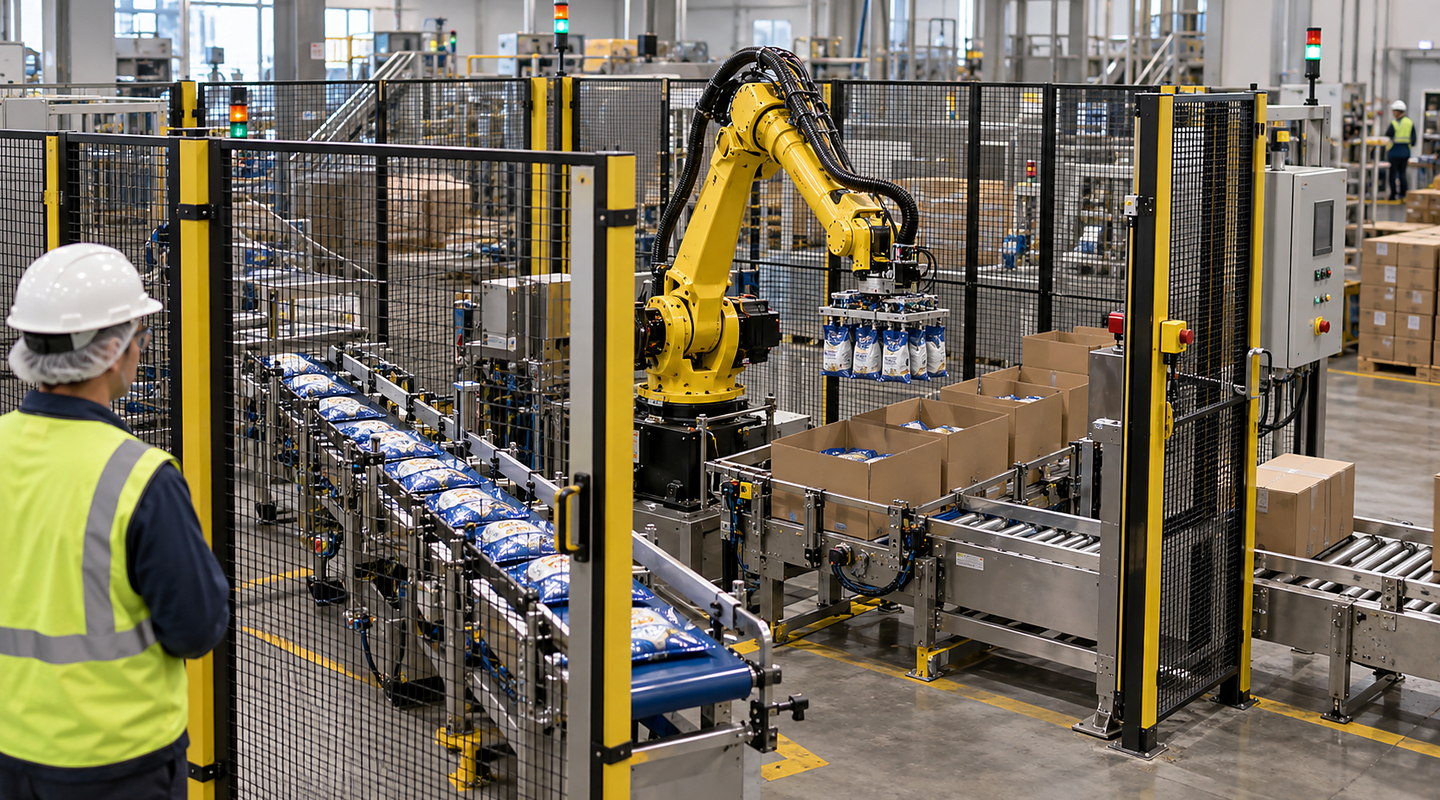
How should part, product and process variation for robotic removal of products from cartons be investigated before specifying robotic carton unloading?
Build the feasibility brief from the actual cartons, packing and components: carton condition, layers, dividers, part positions and the required output presentation. Define normal variants and separate damaged or unexpected examples that may need another route.
Agree which cases belong in the intended operating range and which need a stop or recovery response. Carry those limits into the project brief and run-off plan.
Plan robotic carton unloading around your parts, process, cycle time, tooling, recovery and acceptance criteria. Discuss the highest-risk feasibility questions with Oxford Industrial Automation. Use this guide to resolve part, product and process variation for robotic removal of products from cartons before it limits the final system.
Discuss your application

Record carton, packing and component revisions, the arrangement as delivered and the preparation needed for access. Keep photographs or layout records with the samples so observations can be related to the condition examined.
Choose examples covering the normal packing range and credible difficult layouts, including changes in layers, dividers and product position. Mark whether an example is an accepted variant or a condition outside the proposed range.
Identify whether a difference changes access, the proposed pick, placement or the handling of packing and empty cartons. Record the trial question and any separate response needed before treating the variant as supported.
For Part, Product and Process Variation for Robotic Removal of Products From Cartons: Cell feasibility study, describe the current position, required outcome, acceptable limits and known exceptions for part, product and process variation for robotic removal of products from cartons. That lets us compare options against your real production rather than one nominal value.
For Part, Product and Process Variation for Robotic Removal of Products From Cartons: Cell feasibility study, describe the current position, required outcome, acceptable limits and known exceptions for arrival pattern and presentation. That lets us compare options against your real production rather than one nominal value.
For Part, Product and Process Variation for Robotic Removal of Products From Cartons: Cell feasibility study, describe the current position, required outcome, acceptable limits and known exceptions for required cycle and production pattern. That lets us compare options against your real production rather than one nominal value.
For Part, Product and Process Variation for Robotic Removal of Products From Cartons: Cell feasibility study, describe the current position, required outcome, acceptable limits and known exceptions for tooling, sensing and process interfaces. That lets us compare options against your real production rather than one nominal value.
For a layout outside the agreed range, identify who reviews the carton, what happens to the products and packing, and what must be checked before resuming. Keep future packing changes subject to review against the tested range.
For Part, Product and Process Variation for Robotic Removal of Products From Cartons: Cell feasibility study, describe the current position, required outcome, acceptable limits and known exceptions for run-off criteria and production evidence. That lets us compare options against your real production rather than one nominal value.